The First Breaking News Crisis: When the Telegraph Made Information Worthless
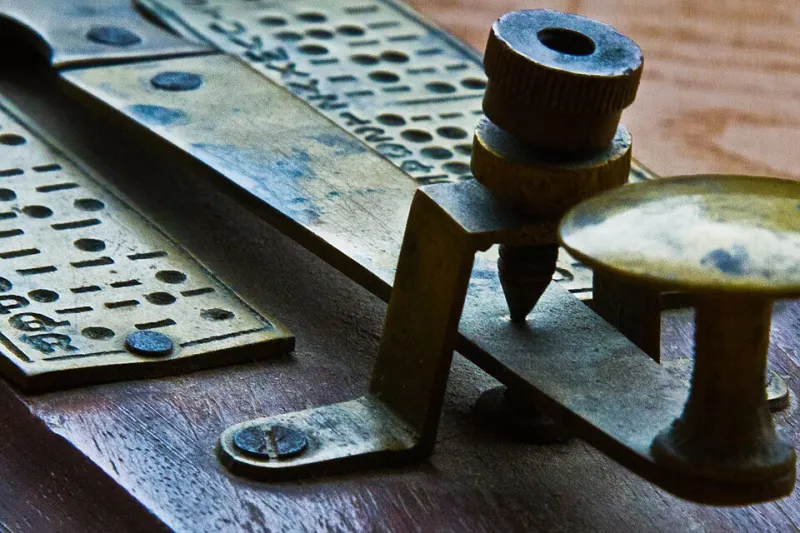
Photo: spurekar, CC BY 2.0, via Wikimedia Commons
There is a particular kind of exhaustion that sets in when you have been told something is urgent too many times. The phone buzzes. The banner drops. The word BREAKING appears in red. And for a fraction of a second before your eyes focus, you feel nothing — not alarm, not curiosity, but a flat anticipatory fatigue. You have been here before. It probably is not what the banner implies.
This response feels like a product of the present moment, a learned defense against the relentlessness of the modern news cycle. It is not. The psychological record shows it emerging clearly in the late 1840s, within a decade of the telegraph's commercial introduction. The technology was different. The trap was the same.
What the Wire Promised
Samuel Morse demonstrated his electromagnetic telegraph in 1844. Within three years, wire services were threading across the eastern seaboard, and newspaper editors were confronting a transformation in their work that had no precedent. For the first time in the history of journalism, information could arrive before the story was finished happening.
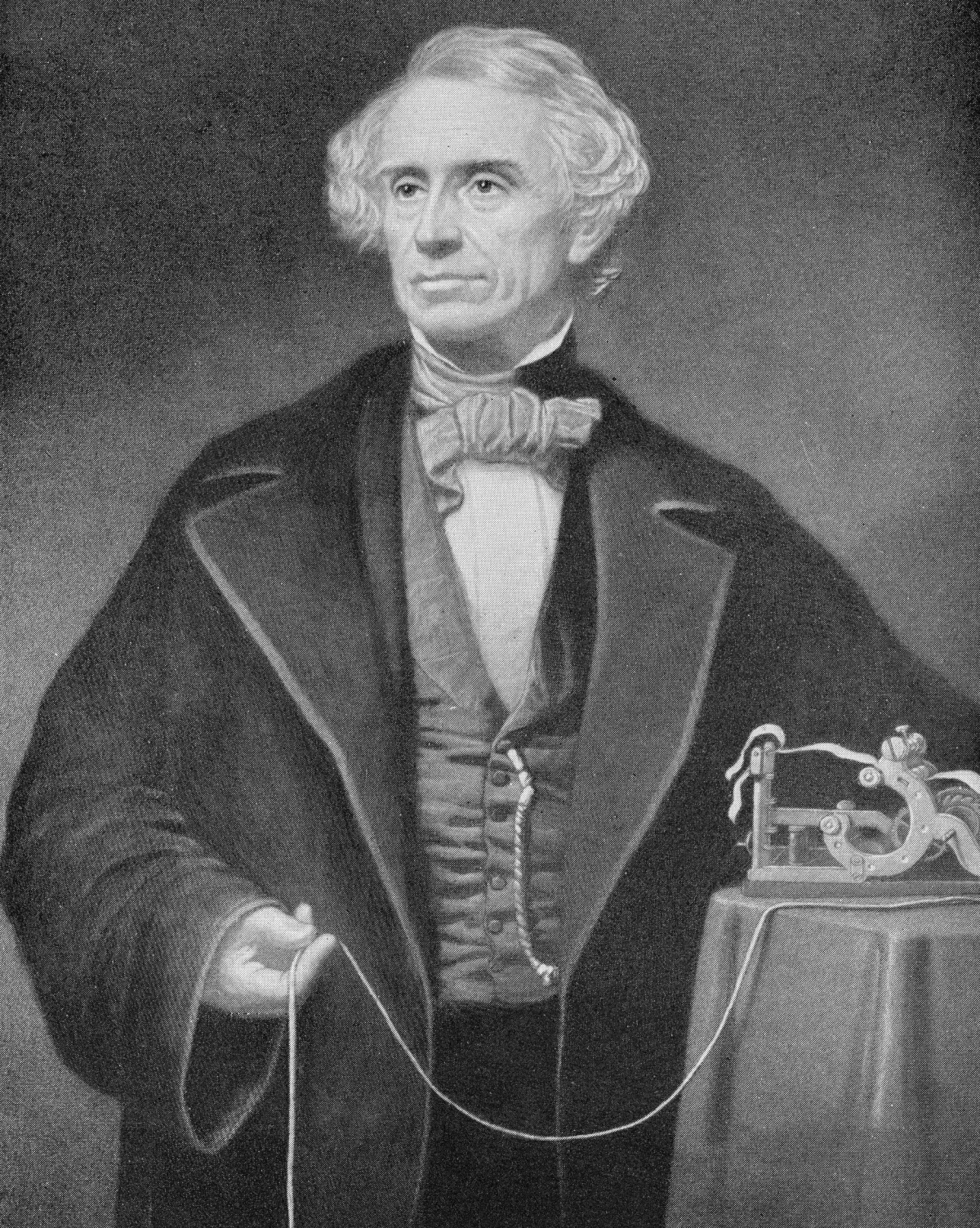 Photo: Samuel Morse, via hips.hearstapps.com
The promise seemed self-evident. Faster news meant better-informed citizens. The gap between event and headline, which had previously been measured in days or weeks depending on geography, could now collapse to hours or minutes. Editors who subscribed to the wire services gained a competitive advantage so obvious that the industry rushed toward it nearly in unison.
What followed was not the golden age of information they had anticipated.
The Noise Arrives First
The structural problem with the telegraph as a news medium was one that no one fully anticipated until it was already causing damage: the wire made no distinction between important dispatches and trivial ones. Everything arrived with the same electrical urgency.
Early wire reports were expensive to transmit — operators charged by the word — which created a compressed, stripped-down prose style that became the ancestor of the modern news lead. But the cost also created a perverse incentive. Operators and correspondents who needed to justify their transmission fees had reason to characterize dispatches as significant regardless of whether they were. Editors on the receiving end quickly discovered that the wire delivered a steady stream of material that was either unverifiable, incomplete, or simply wrong.
Hoaxes spread with a velocity that corrections could not match. A false report about a battle outcome, a fabricated political development, or an invented commercial disaster could travel from one city's telegraph office to a dozen newspaper compositing rooms before a single fact-checker had time to raise a question. The correction, when it came, traveled the same wire — but by then, the original falsehood had already been printed, sold, and read.
One of the most instructive early cases involved war dispatches during the Mexican-American War of 1846 to 1848, the first major American military conflict conducted alongside a functioning wire network. Editors found themselves printing contradictory accounts of the same engagements within days of each other, each arriving over the wire with equal apparent authority. Readers who followed closely enough began to distrust the medium itself.
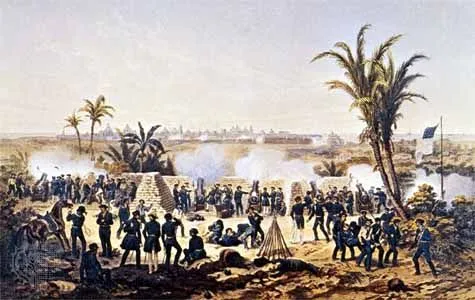 Photo: Mexican-American War, via cdn.britannica.com
The Audience Learns to Discount
This is the moment that deserves the most attention, because it is the moment the modern reader will find most familiar.
When a communication channel consistently delivers material that turns out to be wrong, incomplete, or overstated, audiences do not simply become more careful. They become less responsive to the channel's signals of urgency. The credibility of 'breaking' as a category degrades. The alarm that was supposed to draw attention begins instead to trigger skepticism.
Contemporary accounts from the late 1840s and 1850s describe a reading public that had grown openly cynical about wire-originated reports. Newspaper editors, for their part, began debating in their trade publications whether the wire was a journalistic asset or a liability — whether the speed advantage it provided was being consumed by the trust deficit it created.
These are not abstract concerns from a distant era. They are the precise terms in which every subsequent communication technology has eventually been evaluated. The question of whether speed enhances or destroys the value of information is not a new question. It is a recurring one, and history's answer has been consistent: speed is neutral. It amplifies whatever the underlying quality of the signal already is.
The Credibility Ratchet
What makes the telegraph crisis particularly instructive is the way it illustrates a ratchet effect in media credibility. Trust, once lost at scale, does not return easily. The wire services that survived and eventually built durable reputations — most notably the Associated Press, founded in 1846 specifically to manage the collective wire costs of New York newspapers — did so by investing heavily in verification practices that slowed their output. They traded speed for accuracy and rebuilt their standing on that basis.
 Photo: Associated Press, via logos-world.net
This is not the strategy that the attention economy rewards in the short term. It is, however, the only strategy the historical record shows producing durable audience relationships. The outlets that chased speed without managing quality found themselves in an accelerating race to the bottom, each false report eroding the marginal value of the next accurate one.
Push notifications, Twitter's breaking news function, and the cable news chyron are not different problems. They are the same problem, running on newer hardware. The psychological mechanism — urgency signaling that loses meaning through overuse — is as old as the first wire that cried wolf.
The lesson the telegraph era offers is not that speed is inherently corrupting. It is that speed without editorial discipline creates the conditions for its own obsolescence. Every generation of media technology has to learn this. History keeps offering the same tutorial.