The Manufactured Celebrity: How Snake Oil Salesmen Invented Influencer Marketing a Century Before Influencers
The Credibility Arbitrage Business
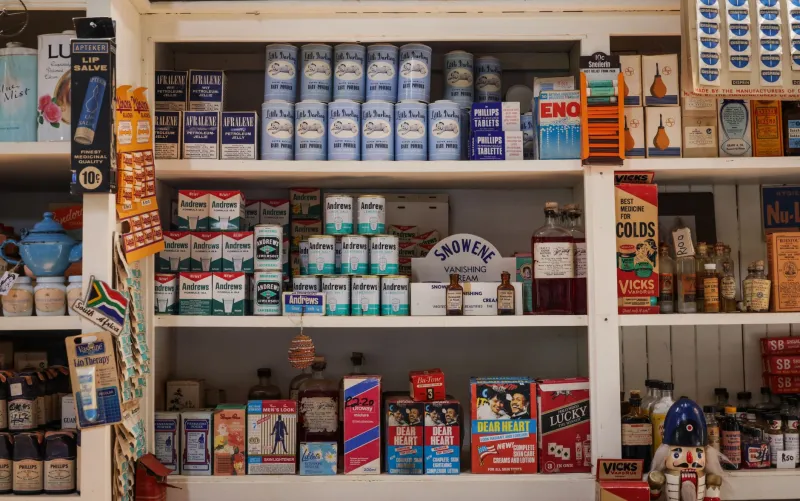
In 1885, the Kickapoo Indian Medicine Company faced a fundamental problem: their products were worthless, but their customers needed reasons to believe otherwise. The solution they pioneered would eventually become a multi-billion-dollar industry. Instead of trying to make their products work, they focused on manufacturing trust.
The company's innovation was understanding that credibility could be systematically harvested, packaged, and deployed at scale. They didn't need genuine celebrity endorsements—they needed the appearance of celebrity endorsements. They didn't require actual medical authority—they needed the simulation of medical authority.
Within a decade, Kickapoo had created an industrial system for converting any form of existing social trust into product sales. The mechanics they developed remain unchanged in today's influencer economy.
The Authority Rental System
Patent medicine companies discovered that different types of authority could be borrowed for different purposes. Religious authority worked best for products promising moral improvement. Military authority was most effective for strength and vigor claims. Medical authority drove sales for health-related promises.
The key insight was that authority didn't need to be genuine—it needed to be recognizable. Companies would hire actors to portray doctors, ministers, and military officers in their advertising materials. They developed elaborate backstories and credentials for fictional experts who would endorse their products across multiple campaigns.
Dr. T.A. Slocum, who marketed various tuberculosis cures, created an entire fictional medical practice complete with patient testimonials, case studies, and professional credentials. His advertisements featured detailed medical explanations written in authoritative language, creating the impression of legitimate expertise while making claims that no actual doctor would support.
 Photo: Dr. T.A. Slocum, via nseledcloud.com
The Testimonial Manufacturing Process
The most sophisticated companies developed systematic approaches to generating customer testimonials. They would place advertisements offering small payments for positive product reviews, creating what we now recognize as the earliest pay-for-play influencer campaigns.
Pinkham's Vegetable Compound perfected this system by hiring women to write testimonials under their own names, targeting specific demographic groups with tailored messaging. Rural testimonials emphasized traditional values and family health. Urban testimonials focused on modern convenience and scientific advancement.
The company maintained detailed records of which types of testimonials generated the most sales, optimizing their messaging based on empirical response data. They discovered that testimonials featuring specific medical improvements outperformed general health claims, and that testimonials from mothers were more effective than those from single women.
The Borrowed Celebrity Strategy
When genuine celebrities were unavailable or unaffordable, patent medicine companies simply borrowed their credibility without permission. They would create advertisements featuring quotes attributed to famous figures, counting on the fact that libel laws were difficult to enforce across state lines.
General Ulysses S. Grant's name and image appeared in dozens of patent medicine advertisements after his death, promoting everything from hair tonics to digestive aids. Companies would use phrases like "As recommended by General Grant" or "The choice of America's greatest general" without any actual connection to the historical figure.
 Photo: General Ulysses S. Grant, via menu.restaurantguru.com
The strategy worked because consumers couldn't easily verify the authenticity of celebrity endorsements. In an era before mass media, most people had never heard these famous figures speak or seen them in person, making fabricated quotes difficult to detect.
The Micro-Celebrity Creation Machine
Some companies went further, creating their own celebrity endorsers from scratch. They would hire charismatic individuals to tour the country promoting their products, building personal brands around fictional expertise and manufactured credibility.
"Nevada Ned" was a creation of the Warner's Safe Cure Company, portrayed as a rough-and-tumble Western character who had discovered the healing power of their kidney remedy during his adventures. The character appeared in hundreds of advertisements and made personal appearances at medicine shows, complete with elaborate costumes and rehearsed stories.
 Photo: Nevada Ned, via www.becker-tiemann.de
These manufactured celebrities often became more famous than the products they promoted, demonstrating the power of personality-driven marketing decades before anyone understood the concept of personal branding.
The Social Proof Manufacturing System
Patent medicine companies also pioneered the systematic manufacture of social proof. They would create the impression of widespread adoption by publishing lists of satisfied customers, often featuring hundreds of names and locations.
Most of these testimonials were fictional, but they served a crucial psychological function: they made individual consumers feel like they were joining a large community of successful users rather than taking a risk on an unproven product.
The companies learned to tailor their social proof to specific audiences. Advertisements in farming communities would feature testimonials from farmers. Urban newspapers would include testimonials from business professionals. Each audience saw evidence that "people like them" were already using and benefiting from the product.
The Authenticity Simulation Industry
What patent medicine companies understood, and what modern influencer marketing has forgotten, is that authenticity is a performance that can be systematically optimized. They developed detailed guidelines for creating testimonials that felt genuine while serving specific marketing objectives.
Successful testimonials included specific details about the customer's life and circumstances, creating emotional connection with potential buyers. They featured before-and-after narratives that followed predictable story arcs. They used language that sounded conversational rather than promotional, even when every word was carefully crafted by professional copywriters.
The most sophisticated companies would test different versions of testimonials against each other, measuring response rates and optimizing their messaging based on empirical data about what motivated customer behavior.
The Eternal Return of Borrowed Trust
When social media platforms arrived, they didn't create influencer marketing—they digitized systems that patent medicine companies had been operating for over a century. The same psychological principles that drove 19th-century testimonial campaigns now power modern influencer partnerships.
The mechanics remain identical: identify individuals with existing credibility within specific communities, leverage that credibility to promote products, and create the impression of authentic recommendation while operating within commercial relationships.
Modern influencer marketing platforms are simply automated versions of the testimonial manufacturing systems that patent medicine companies developed by hand. The technology has changed, but the underlying psychology of borrowed credibility remains constant.
Understanding this history reveals that influencer marketing isn't a feature of social media—it's a feature of human psychology that social media has learned to exploit with unprecedented efficiency. The same vulnerabilities that made people trust "Dr. Slocum's" tuberculosis cure now make them trust Instagram wellness influencers promoting unregulated supplements.
The lesson isn't that modern marketing is uniquely deceptive, but that the systematic exploitation of social trust has been a core business strategy for over a century. What we're experiencing now is simply the industrial-scale automation of credibility arbitrage techniques that were perfected by snake oil salesmen generations ago.