When Print Met Its Match: The 1920s Media Panic That Invented Every Digital Strategy Since
In 1922, the Chicago Tribune published an editorial declaring radio "a passing fad" that would "never replace the permanent record of the printed word." By 1924, the same newspaper was launching WGN radio, breathlessly promoting its "revolutionary approach to news delivery."
 Photo: Chicago Tribune, via www.architecture.org
This whiplash response wasn't unique to Chicago. Across America, newspaper executives were cycling through the same stages of grief that would become familiar to anyone who lived through the "pivot to video" era of the 2010s. The language, the strategies, even the internal memos read like carbon copies of digital transformation documents written nearly a century later.
The Denial Phase: "People Still Want Real News"
Newspaper publishers in the early 1920s deployed remarkably similar arguments to those made by print executives facing Facebook's rise. Radio was "entertainment," not journalism. It lacked the "gravitas" of print. Audiences would inevitably return to "serious news" once the novelty wore off.
The New York Times ran editorials questioning whether radio could ever handle "complex stories" that required "careful reading and reflection." Replace "radio" with "social media" and "reading" with "long-form journalism," and you have the editorial stance of nearly every major newspaper in 2010.
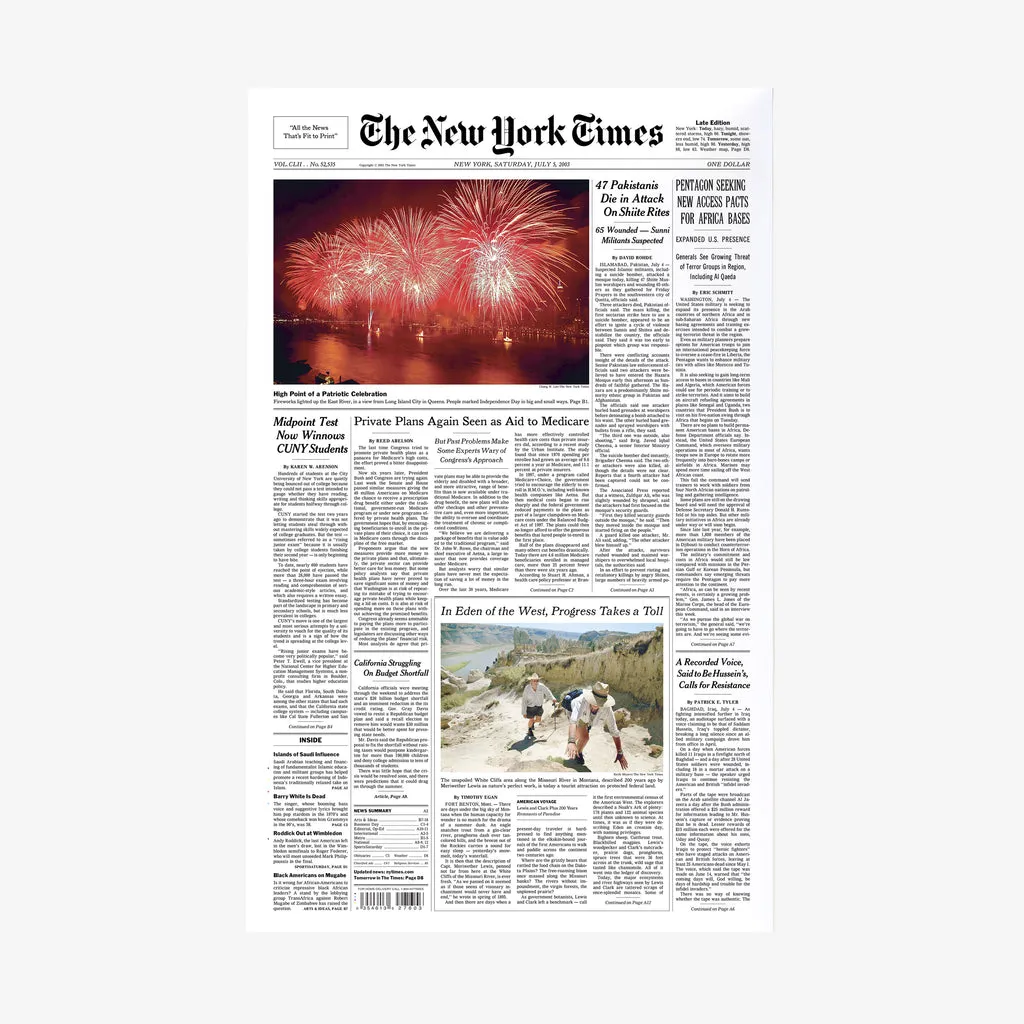 Photo: New York Times, via cdn.shopify.com
This wasn't stupidity—it was institutional psychology. When organizations face existential threats, they first attempt to minimize the threat's legitimacy. The human brain's threat-detection system works the same way: deny, dismiss, then scramble to adapt.
The Panic Phase: "We Must Get Into Radio Immediately"
By 1925, as radio audiences exploded and advertising revenues followed, newspaper companies reversed course with stunning speed. Internal memos from this period read like proto-versions of every "digital first" strategy document published in the past decade.
The Detroit News launched WWJ with the mission to "extend our editorial voice to the airwaves" and "meet audiences where they are." The Los Angeles Times created KHJ to "leverage our newsroom's expertise across multiple platforms." The buzzwords were different, but the strategic thinking was identical: repurpose existing content, create "synergies" between old and new media, and hope that brand recognition would translate across platforms.
What's remarkable is how these companies convinced themselves they were "saving journalism" by abandoning print's core advantages—permanence, detail, reflection—in favor of radio's strengths: immediacy, emotion, personality. Sound familiar?
The Monetization Scramble: "How Do We Make This Pay?"
The business model experiments of the 1920s mirror every revenue strategy attempted by digital media companies since 2000. Newspapers tried sponsored radio segments (native advertising), branded programming (content marketing), and exclusive radio content (premium subscriptions).
The Philadelphia Inquirer created "Inquirer Radio Hours" featuring newspaper columnists reading their pieces aloud, essentially turning print content into podcast-style programming. The Washington Post experimented with "radio newspapers"—15-minute news summaries that functioned like audio newsletters.
 Photo: Washington Post, via logos-world.net
Most tellingly, newspaper companies struggled with the same fundamental question that haunts media companies today: Should radio content be free to build audience, or premium to generate revenue? The Chicago Tribune flip-flopped on this decision three times between 1924 and 1926.
The Talent Wars: "Our Best People Are Leaving"
Radio's rise created the media industry's first "talent drain" crisis. Print reporters discovered they could earn more money and reach larger audiences on radio. Newspaper companies responded by creating radio divisions, offering competing salaries, and promoting print journalists to "multimedia roles."
The Boston Globe lost three of its top political reporters to radio stations in 1926. The San Francisco Chronicle countered by launching its own radio operation and requiring all senior reporters to appear on-air weekly. These talent retention strategies—golden handcuffs, role expansion, internal competition with external opportunities—became the template for every media company facing digital disruption.
The Uneasy Peace: "We'll Do Both"
By 1930, most newspaper companies had reached the same conclusion that legacy media would reach about digital platforms decades later: resistance was futile, but coexistence was possible. Radio became a promotional tool for newspapers, driving readers to "get the full story" in print. Newspapers provided credibility and depth that radio couldn't match.
This equilibrium lasted until television arrived and triggered the exact same cycle of denial, panic, scrambling, and eventual accommodation.
Why History Keeps Repeating
The 1920s radio transition reveals something crucial about institutional behavior: organizations don't learn from history because they're not designed to. They're designed to protect existing revenue streams, leverage current competencies, and minimize risk. When faced with disruption, they default to the same psychological and strategic responses regardless of the specific technology involved.
The newspaper executives of the 1920s weren't uniquely short-sighted. They were displaying the same cognitive biases that led digital media companies to chase video advertising in 2016, that convinced record labels to sue Napster instead of building streaming services, and that make every generation of media leaders believe their disruption is uniquely threatening.
Human psychology hasn't evolved since the 1920s. Neither have the institutional reflexes that drive strategic decision-making under pressure. The next media disruption—whether it's AI, virtual reality, or something not yet invented—will trigger the same cycle of denial, panic, and grudging adaptation.
The only difference will be the buzzwords.