When Doctors Sold Dreams: The Victorian Origins of Influencer Marketing
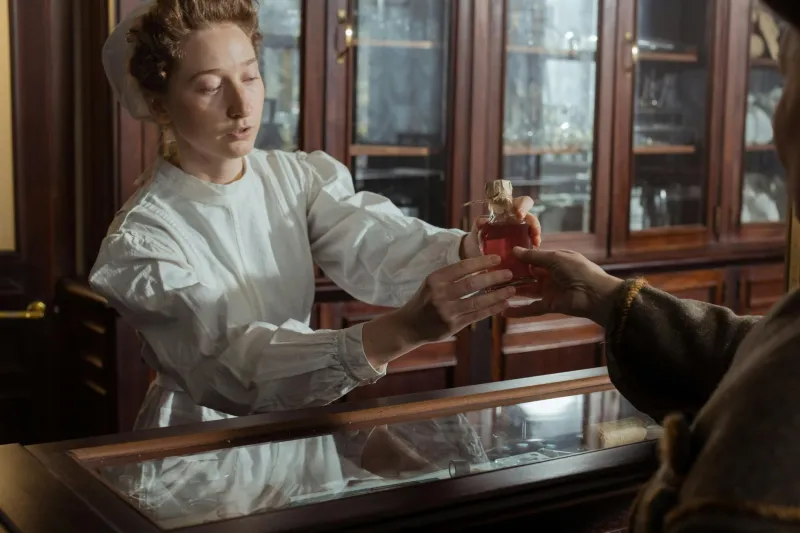
The Doctor Will See Your Brand Now
In 1885, Dr. Charles Hartman of Philadelphia earned more money endorsing Lydia Pinkham's Vegetable Compound than he did treating patients. His testimonial, printed in newspapers across America, claimed the patent medicine had "revolutionized" his practice and cured ailments that traditional medicine couldn't touch. Modern readers might recognize this formula: respected professional, dramatic transformation, implicit guarantee of results.
Dr. Hartman wasn't practicing medicine. He was practicing influence.
The psychology that made Victorian Americans trust a stranger's medical endorsement is identical to what makes modern consumers buy skincare from TikTok creators or supplements from podcast hosts. Human decision-making hasn't evolved since the 1800s—we've simply digitized the delivery system for the same cognitive shortcuts our great-great-grandparents used.
The Testimonial Machine
Patent medicine companies of the 19th century understood something that today's marketing departments spend millions to rediscover: people don't buy products, they buy permission to become someone else. The testimonial economy they built relied on three psychological principles that remain the foundation of influencer marketing.
First, social proof. Victorian advertisements featured dozens of testimonials from "satisfied customers" who claimed miraculous recoveries. These weren't random endorsements—they were carefully curated stories designed to represent every possible reader. A farmer from Iowa, a society lady from Boston, a Civil War veteran from Tennessee. The message was clear: people like you have already made this decision.
Second, aspirational identity. The most effective patent medicine testimonials came from people readers wanted to become: successful businessmen, beautiful actresses, respected physicians. Dr. Hartman's endorsement worked because readers didn't just want health—they wanted the kind of life that a successful doctor represented. Authority became a product in itself.
Third, the deliberate blurring of personal experience with commercial promotion. Patent medicine testimonials were presented as authentic personal stories, complete with emotional detail and specific outcomes. The fact that these "customers" were often paid actors or fictional characters was irrelevant—what mattered was the feeling of authenticity they created.
The Professional Endorsement Economy
The most sophisticated patent medicine operations understood that professional credibility was the ultimate currency. Companies like Lydia Pinkham's didn't just collect random testimonials—they actively recruited physicians, creating what amounted to the first influencer networks.
Dr. Hartman wasn't alone. Hundreds of physicians across the country received payment for their endorsements, creating a parallel economy where medical credentials became marketing assets. The practice was so common that the American Medical Association spent decades fighting what they called "the commercialization of the profession."
The psychological mechanism was elegant in its simplicity. Patients trusted doctors, doctors endorsed products, therefore products inherited medical authority. The actual effectiveness of the medicine was secondary to the perceived credibility of its endorsers.
This system worked because it exploited a fundamental feature of human psychology: we use social shortcuts to navigate complex decisions. When faced with medical uncertainty, Victorian Americans did exactly what modern consumers do—they looked for signals of trustworthiness and competence, then made decisions based on those signals rather than direct evidence.
The Disclosure Problem That Wasn't
Modern discussions of influencer marketing often focus on disclosure requirements—the legal obligation to identify paid partnerships. But the patent medicine era reveals that this "problem" is actually a feature, not a bug, of how influence works.
Victorian testimonials rarely included disclosure. Readers generally understood that advertisements were paid content, but the most effective endorsements maintained strategic ambiguity about the relationship between endorser and product. Dr. Hartman's testimonials read like medical advice, not advertising copy.
The Federal Trade Commission's modern disclosure requirements represent an attempt to solve a psychological problem with legal tools. But the underlying mechanism—the human tendency to conflate personal credibility with product effectiveness—remains unchanged. Disclosure can clarify the commercial relationship, but it can't eliminate the psychological impact of borrowed authority.
The Eternal Return
Today's influencer marketing industry has recreated every innovation of the 19th-century testimonial economy. Wellness influencers occupy the same cultural position as patent medicine doctors. Lifestyle bloggers sell the same aspirational identity that Victorian testimonials promised. Sponsored content maintains the same strategic ambiguity about commercial relationships.
The platforms have changed—Instagram instead of newspaper ads, YouTube instead of traveling medicine shows—but the psychological substrate remains identical. We still use social proof to navigate uncertainty. We still project our aspirations onto people we perceive as successful. We still struggle to separate authentic experience from commercial messaging.
The patent medicine era ended not because human psychology evolved, but because regulatory frameworks imposed external constraints on marketing practices. The Pure Food and Drug Act of 1906 required actual evidence of medical claims. The Federal Trade Commission created disclosure requirements for advertising.
But regulation can only modify behavior, not psychology. The same cognitive mechanisms that made Dr. Hartman's testimonials effective continue to drive consumer decisions in the digital age. The influencer marketing industry hasn't invented new forms of persuasion—it has simply removed the regulatory constraints that briefly limited the testimonial economy's natural evolution.
The Laboratory of History
Every modern debate about influencer authenticity, disclosure requirements, and platform responsibility has a direct precedent in the patent medicine era. Victorian Americans worried about fake testimonials, questioned the ethics of paid endorsements, and struggled to distinguish authentic recommendations from commercial manipulation.
Their solutions—professional standards, regulatory oversight, consumer education—remain the primary tools we use today. The technology has advanced, but the fundamental challenge hasn't changed: how do we maintain trust in a system where credibility itself has become a commodity?
The answer, like the problem, is as old as the patent medicine business itself. We don't solve these tensions—we manage them. The testimonial economy represents a permanent feature of human social organization, not a temporary marketing fad. Understanding its Victorian origins doesn't provide solutions, but it does provide perspective on why our current approaches to influencer marketing feel both urgent and familiar.
Dr. Hartman knew something that modern marketers spend fortunes to rediscover: influence isn't about products, it's about permission. The Victorian testimonial economy succeeded because it gave people permission to believe in transformation. The digital influencer economy works for exactly the same reason.
The only thing that's changed is the delivery system.