Monthly Mysteries: How Victorian Mail-Order Publishers Cracked the Code of Consumer Anticipation
Monthly Mysteries: How Victorian Mail-Order Publishers Cracked the Code of Consumer Anticipation
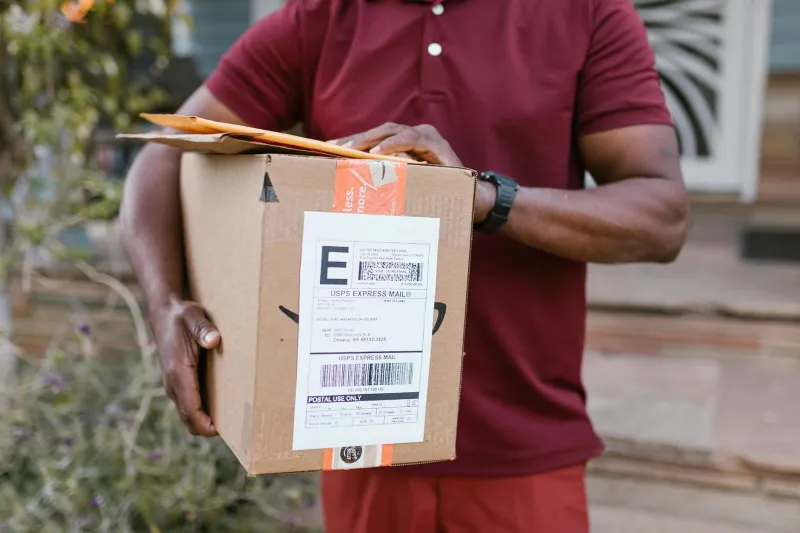
Every month, thousands of Americans tear open cardboard boxes containing everything from artisanal coffee to pet toys, filming themselves for social media as they reveal each carefully curated item. The ritual feels distinctly modern — a product of YouTube culture, algorithmic curation, and the gig economy. But the psychological machinery powering this $15 billion subscription box industry was perfected 160 years ago by Victorian publishers who understood something fundamental about human nature: we are wired to crave controlled surprise.
The Original Mystery Box
In 1860, if you lived in Boston or Birmingham, you could subscribe to what publishers called "periodical parcels" — monthly shipments containing an assortment of books, pamphlets, sheet music, and small novelties. These weren't book clubs in the modern sense, where subscribers knew exactly what they were getting. They were genuine mystery boxes, marketed explicitly on the thrill of not knowing.
The most successful of these operations was run by Samuel Beeton, husband of cookbook author Isabella Beeton. His "Beeton's Boy's Own Magazine" came with monthly "surprise packets" that might contain anything from a pocket telescope to pressed flowers to foreign coins. The marketing copy promised subscribers they would "never know what delightful surprise awaits them until the packet is opened."
Sound familiar? Beeton had discovered the same dopamine pathway that modern subscription services exploit: the neurological reward system fires more intensely for uncertain rewards than predictable ones. A guaranteed book delivered monthly is pleasant. A mystery package that might contain a book, or a compass, or a collection of butterfly specimens? That triggers the same anticipation mechanisms as gambling, but socially acceptable and intellectually respectable.
The Curation Premium
Victorian publishers quickly learned that the value wasn't just in surprise — it was in trusted curation. Subscribers weren't paying for random items; they were paying for someone else's taste. The most successful periodical parcels were those that developed reputations for consistently good judgment about what their audience would appreciate.
This created the same dynamic that drives modern subscription services: the curator becomes a trusted intermediary between the subscriber and an overwhelming marketplace. In 1860, that marketplace was the explosion of cheap printing and global trade that flooded stores with more books and novelties than any individual could reasonably evaluate. Today, it's the infinity of Amazon listings and Kickstarter campaigns.
The psychological appeal is identical: outsource the cognitive load of choice to someone whose judgment you trust, then experience their choices as pleasant surprises rather than your own decisions. It transforms consumption from work into play.
Social Currency and Identity Performance
Perhaps most tellingly, Victorian subscribers treated their periodical parcels exactly like modern consumers treat subscription boxes: as social currency and identity signals. Letters and diaries from the period reveal subscribers eagerly discussing their latest parcels with friends, trading items, and using their subscriptions to signal their cultural sophistication.
One 1863 letter from a young woman in Philadelphia to her sister describes spending an entire evening with friends "unpacking and examining" her latest parcel from a London publisher, with each item becoming a conversation starter about literature, travel, and taste. The ritual of opening the package in company, the performance of surprise and delight, the social bonding over shared discovery — it's the same behavior we see in unboxing videos today.
The Postal Revolution
None of this would have been possible without the mid-19th century revolution in postal services. Reliable, affordable mail delivery transformed what had been a luxury for the wealthy into a middle-class convenience. The psychological impact was profound: for the first time in human history, ordinary people could regularly receive surprise packages from strangers.
This created new forms of social connection and identity. Subscribers developed relationships with publishers they'd never met, trusting them with their money and their monthly dose of novelty. The mailbox became a source of anticipation rather than just communication.
Modern subscription services operate on exactly the same infrastructure of trust and anticipation, just with different delivery mechanisms. The psychological relationship between subscriber and curator remains unchanged.
The Unboxing Ritual
Victorian periodical parcels even established the ritual aspects that make unboxing videos so compelling today. Publishers quickly learned that presentation mattered as much as contents. Items were carefully wrapped, often in multiple layers, with small cards explaining their significance or origin.
The opening process was deliberately slowed down, turned into an event rather than a simple transaction. Publishers understood that the anticipation and revelation were as valuable as the items themselves — maybe more valuable.
One 1868 advertising circular for "Cassell's Surprise Parcels" explicitly marketed this ritual dimension: "The pleasure begins with the arrival of the parcel and continues through the delightful process of discovery, ensuring that each month brings not just new items but new experiences."
The Eternal Return
What's remarkable isn't that Victorians invented subscription boxes — it's how precisely they identified the psychological mechanisms that would make them work. The human reward system that responds to controlled surprise, the social dynamics of taste-making and identity signaling, the pleasure of ritual and anticipation: none of this has changed.
Modern subscription services succeed because they've rediscovered principles that Victorian publishers knew by intuition and trial-and-error. The cardboard box replacing the brown paper parcel, the Instagram unboxing replacing the parlor room ritual — these are surface changes on deep psychological constants.
History remains the most reliable guide to human nature because human nature doesn't change. The Victorians who eagerly awaited their monthly mystery parcels were running the same psychological software as the consumers who film themselves opening subscription boxes today. The only difference is the packaging.