The Speed of Panic: Why Every Communication Revolution Triggers the Same Moral Crisis

When Minutes Felt Like Madness
In 1844, Samuel Morse transmitted the first official telegraph message between Washington and Baltimore: "What hath God wrought." Within two decades, this technology had collapsed the time between sending a message and receiving a reply from weeks to minutes, fundamentally altering the rhythm of human communication. The response from cultural critics was swift and severe: the telegraph was destroying patience, eliminating thoughtful deliberation, corrupting the English language, and threatening the very foundations of civilized society.
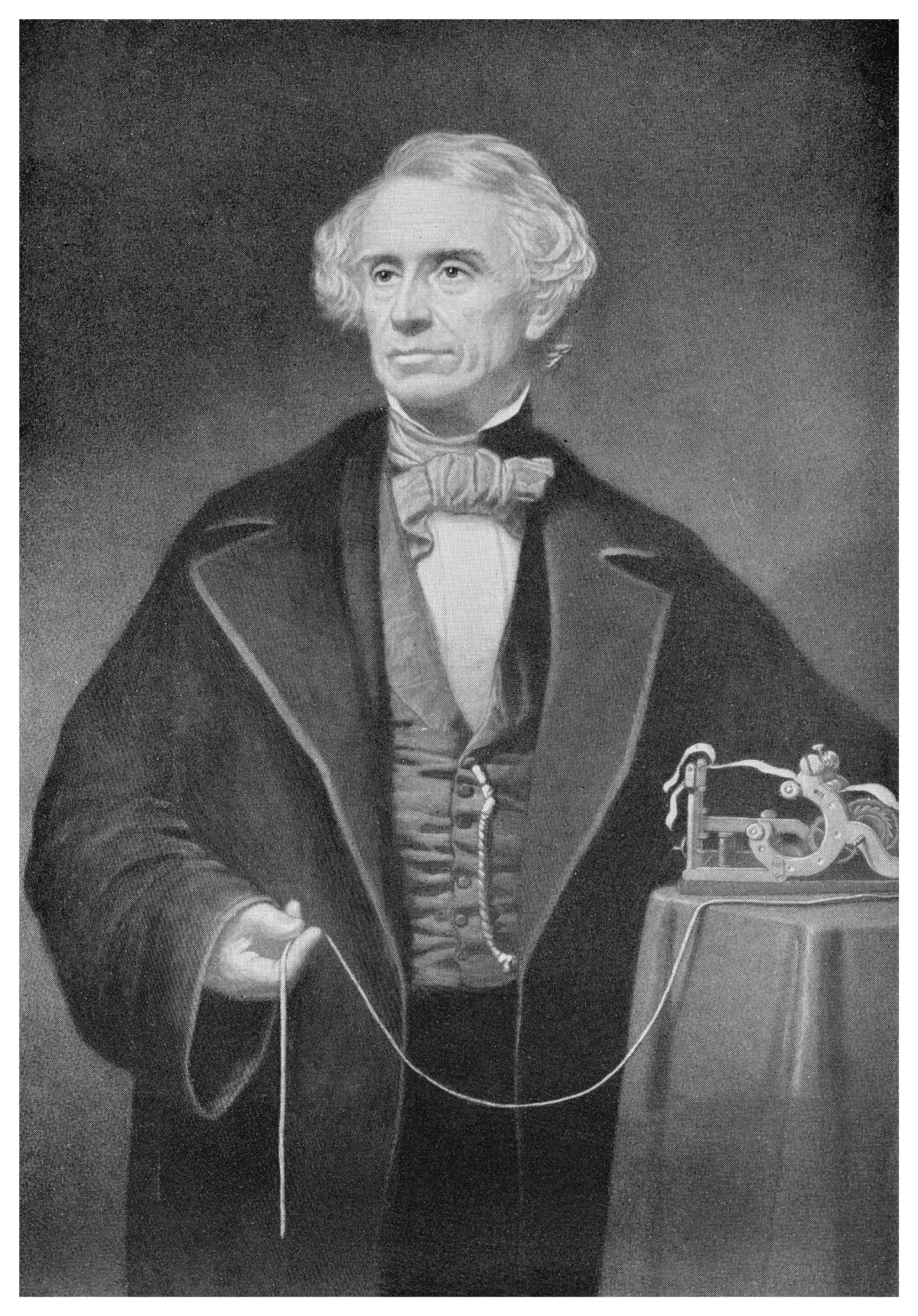 Photo: Samuel Morse, via hips.hearstapps.com
These complaints weren't isolated concerns from a few conservative voices. They represented a widespread moral panic that dominated newspaper editorials, sermons, and academic discussions throughout the late 19th century. Reading these Victorian critiques today feels like encountering early drafts of every contemporary argument about smartphones, social media, and digital communication. The technology has evolved, but the psychological response remains perfectly preserved.
The Attention Economy Was Always Under Attack
Victorian critics understood that the telegraph was doing more than speeding up message delivery—it was restructuring human attention itself. Before instant communication, people could focus on single tasks for extended periods without interruption. The telegraph introduced the possibility of urgent messages arriving at any moment, creating what one 1880s commentator called "a state of perpetual mental readiness that prevents deep contemplation."
Businessmen complained that telegraph operators interrupted important meetings with messages that could have waited until the next day. Families reported that fathers became distracted during dinner, wondering whether urgent business communications were accumulating at the telegraph office. Students found it harder to concentrate on books when they knew that news from distant places could arrive at any moment.
These concerns are structurally identical to modern anxieties about smartphone notifications and social media alerts. The underlying fear isn't really about technology—it's about the psychological impossibility of maintaining focused attention in environments optimized for interruption. Victorian critics recognized that instant communication creates cognitive demands that human brains aren't naturally equipped to handle.
The Death of Deliberation
Perhaps the most persistent Victorian critique was that telegraph communication was destroying the human capacity for careful thought. Letter-writing had required planning, reflection, and revision. Writers had time to consider their words, anticipate responses, and craft messages that accurately represented their intentions. The telegraph compressed this process into minutes, forcing people to communicate before they had time to think.
Newspapers published examples of telegraph messages that had caused misunderstandings, damaged relationships, or triggered unnecessary business panics. Critics argued that the technology was training people to respond immediately to information rather than processing it thoughtfully. They predicted that this would create a society of impulsive decision-makers incapable of the patient deliberation that democratic governance required.
Modern complaints about Twitter encouraging "hot takes" and social media promoting "reactive" rather than "reflective" communication follow exactly the same logic. The fear isn't about the specific technology but about how speed requirements change the cognitive process of communication itself.
Language Under Pressure
Telegraph critics were particularly alarmed by what the technology was doing to written English. Since telegraph companies charged by the word, users developed abbreviated styles that eliminated articles, conjunctions, and other "unnecessary" elements. "ARRIVING TUESDAY MORNING STOP PREPARE GUEST ROOM STOP" became standard telegraph format, prioritizing information density over grammatical completeness.
Educators worried that telegraph style would corrupt students' writing habits. Newspaper editorials warned that the "barbarous" abbreviations used in commercial telegrams were spreading into personal correspondence. Literary critics predicted that the pressure to communicate concisely would eliminate the nuanced expression that made literature possible.
These concerns are identical to contemporary worries about text messaging "destroying" proper grammar and social media encouraging communication through emoji rather than complete sentences. The underlying anxiety is that technological constraints on communication format will permanently damage human linguistic capacity.
The Collapse of Courtship
Victorian moralists were especially concerned about what instant communication meant for romantic relationships. Traditional courtship had involved extended letter exchanges that allowed couples to develop emotional intimacy gradually while maintaining physical distance. Telegraph communication collapsed this timeline, enabling rapid exchanges that could escalate relationships before participants had time to evaluate their compatibility.
Parents worried that young people would make impulsive romantic commitments based on telegraph flirtations rather than the careful character assessment that letter-writing enabled. Advice columnists warned that telegraph communication encouraged emotional intensity without the reflection that sustainable relationships required. Religious leaders argued that instant communication was undermining the patient courtship process that God had designed for human pair-bonding.
Modern concerns about dating apps and social media relationships follow identical patterns. The fear isn't about the technology itself but about how communication speed affects the psychological process of relationship formation.
The Economics of Moral Panic
The most revealing aspect of Victorian telegraph criticism is how it exposed the economic interests behind moral arguments. Newspaper publishers who had profited from being the primary source of distant news suddenly faced competition from telegraph companies that could deliver information faster. Letter-writing instructors who had built careers teaching epistolary skills found their expertise obsoleted by technologies that prioritized speed over style.
These groups framed their economic anxieties as cultural concerns, arguing that telegraph communication was destroying important social traditions rather than simply disrupting established business models. The moral language made their resistance seem principled rather than self-interested.
Contemporary debates about digital communication follow the same pattern. Traditional media companies that complain about social media "destroying journalism" are simultaneously defending important democratic values and protecting revenue streams threatened by new information distribution systems. The moral arguments are genuine, but they're also economically motivated.
The Generational Divide
Victorian telegraph critics consistently noted that young people adapted to instant communication more easily than their elders, treating this as evidence that the technology was corrupting natural human development. Adults who had learned to communicate through letters found telegraph style jarring and incomplete. Young people who grew up with telegrams considered them normal and efficient.
This generational divide created a feedback loop that intensified moral panic. Older critics interpreted youthful comfort with new communication styles as evidence that the technology was damaging cognitive development. Younger users interpreted adult discomfort as evidence that critics didn't understand technological progress.
Every subsequent communication revolution has produced identical generational conflicts. Radio alarmed people who preferred print. Television worried people who preferred radio. The internet concerned people who preferred television. Social media troubles people who preferred the early internet. The pattern reveals that communication technology anxiety is often displaced anxiety about generational change itself.
Speed as Social Disruption
The deepest Victorian fear about telegraph communication wasn't really about technology—it was about social hierarchy. Instant communication threatened established gatekeepers who had controlled information flow through traditional institutions. Newspaper editors, postal officials, and other intermediaries suddenly found their authority bypassed by systems that connected people directly.
The telegraph enabled rapid coordination among groups that had previously been isolated by distance. Labor organizers could synchronize strikes across multiple cities. Political movements could mobilize supporters faster than authorities could respond. Business networks could share information that had previously been controlled by established trading houses.
Contemporary anxieties about social media "echo chambers" and "filter bubbles" reflect similar concerns about how communication speed enables new forms of social organization that bypass traditional institutional authority. The fear isn't about the technology but about the social changes it enables.
The Permanent Revolution
Perhaps the most important lesson from Victorian telegraph panic is that communication technology anxiety is a permanent feature of human psychology rather than a reasonable response to specific technological threats. Every generation experiences new communication tools as unprecedented disruptions to social stability, but the historical record reveals a consistent pattern: initial moral panic, gradual adaptation, eventual integration, followed by nostalgia for the "simpler" communication methods that previous generations had considered dangerously disruptive.
The telegraph critics who warned about the death of thoughtful communication were replaced by radio critics who worried about the decline of reading. Radio critics were replaced by television critics concerned about the death of family conversation. Television critics were replaced by internet critics worried about the decline of shared cultural experiences. Internet critics have been replaced by social media critics concerned about the death of authentic human connection.
Each generation of critics is sincere in their concerns, and each generation identifies real changes in communication patterns. But the apocalyptic predictions never materialize because human psychology is more adaptable than cultural critics assume. We don't lose the capacity for deep thought when communication speeds up—we develop new cognitive strategies for managing information flow.
The Victorian telegraph panic reveals that our current anxieties about digital communication aren't responses to unprecedented technological threats. They're expressions of timeless human discomfort with the pace of social change. The speed has always felt dangerous to whoever profited from slowness, and the future has always seemed threatening to whoever was comfortable with the present.
Four generations later, we're still having the same argument about communication technology that Victorian critics started. The only difference is that our telegrams have become text messages, and our moral panic has gone viral.